Building the global foundation for springs conservation.
An inter-Commission effort bringing together expertise across disciplines and regions to define, map, assess, prioritize, and guide springs conservation worldwide.
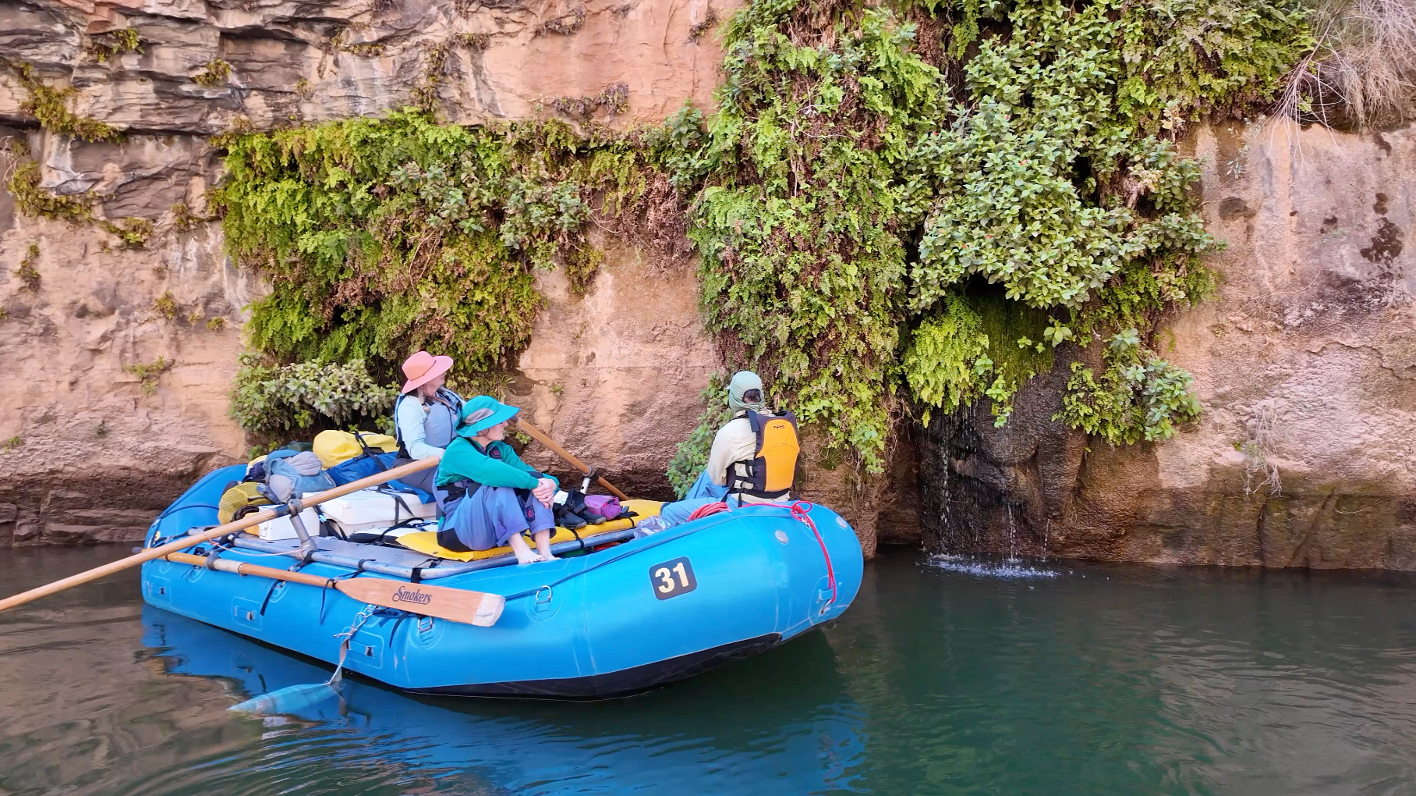
A globally important ecosystem still missing from the global picture.
Springs occur where groundwater reaches the surface. They connect groundwater, surface water, and terrestrial ecosystems and can support highly distinctive communities of fishes, mollusks, crustaceans, insects, amphibians, and plants. Yet springs remain inconsistently defined, mapped, assessed, and represented in conservation planning around the world.
The Task Force is designed to close those gaps by building a shared scientific and conservation framework that can be used across regions while supporting the people and institutions already working to protect springs.
Define & map. Assess. Prioritize. Guide.
Define & Map
Advance common definitions and typologies and improve the global inventory of springs and associated data.
Assess
Strengthen approaches for evaluating biodiversity, ecological and hydrological condition, threats, and protection.
Prioritize
Identify springs, species, landscapes, and regions where conservation attention can have the greatest impact.
Guide
Translate science into practical management guidance, policy tools, training, and conservation capacity.
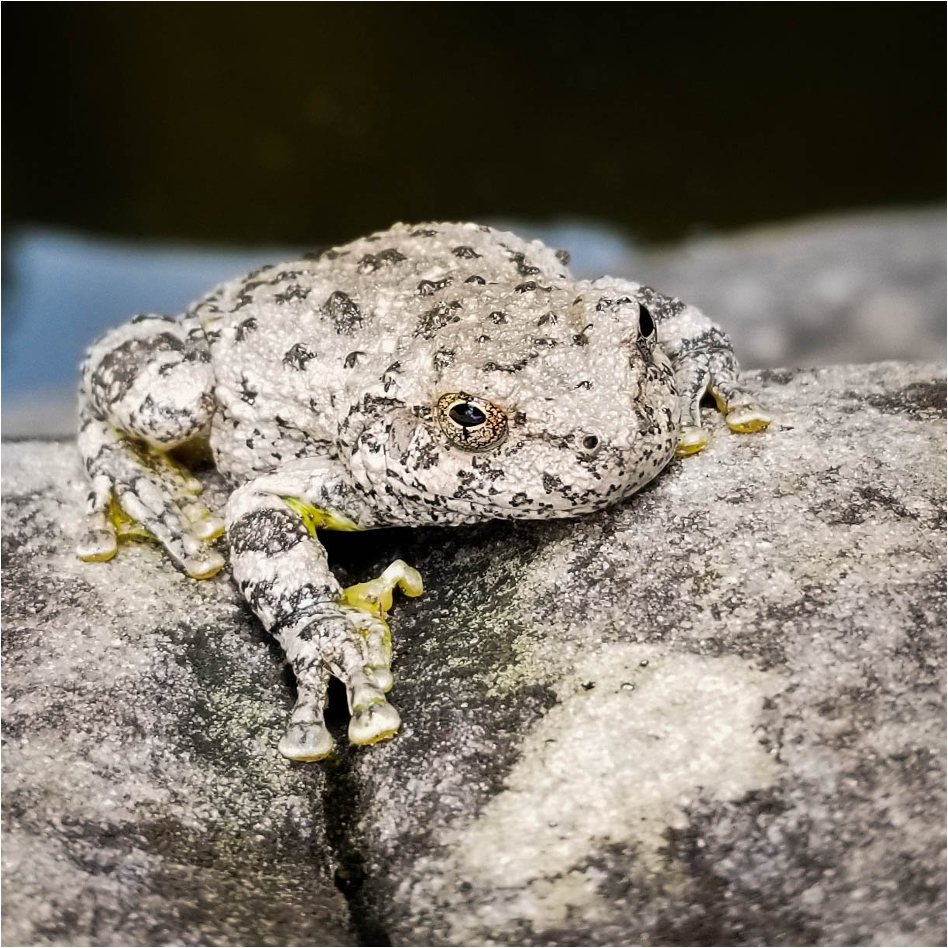
Small ecosystems. Outsized importance.
Groundwater extraction, climate change, pollution, development, land-use change, invasive species, and other pressures are affecting springs around the world. For species restricted to a single spring or spring complex, the loss of a very small habitat can have global consequences.
In 2025, the IUCN World Conservation Congress adopted Resolution 016, Springs under threat, calling for coordinated international action and an inter-Commission Task Force involving the Species Survival Commission, World Commission on Protected Areas, and Commission on Ecosystem Management.
From foundations to action.
The initial program moves deliberately from building the global knowledge base to identifying priorities and putting practical guidance in the hands of conservation practitioners and decision-makers.
Foundations & Mapping
Definitions, typology, network building, data landscape, and global mapping foundations.
Data & Assessment
Inventory development, biodiversity information, condition assessment, and threat evaluation.
Prioritization & Strategy
Identify priority springs, species, regions, conservation gaps, and strategic opportunities.
Guidance & Capacity
Management guidance, policy integration, training, tools, and long-term conservation capacity.
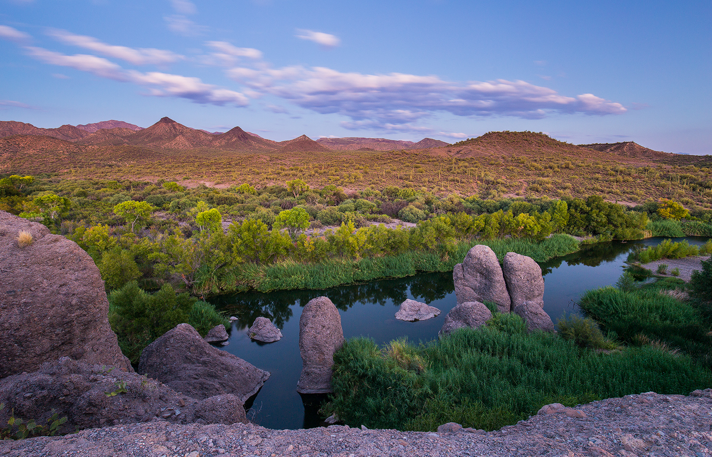
Built across disciplines, regions, and knowledge systems.
The Task Force draws on scientists, practitioners, protected-area managers, policy experts, Indigenous and local knowledge holders, conservation organizations, and institutions working across freshwater, groundwater, biodiversity, and land management.
Its work is intended to strengthen connections with existing conservation mechanisms, including the IUCN Red List, Key Biodiversity Areas, protected and conserved areas, Ramsar processes, and implementation of the Global Biodiversity Framework.
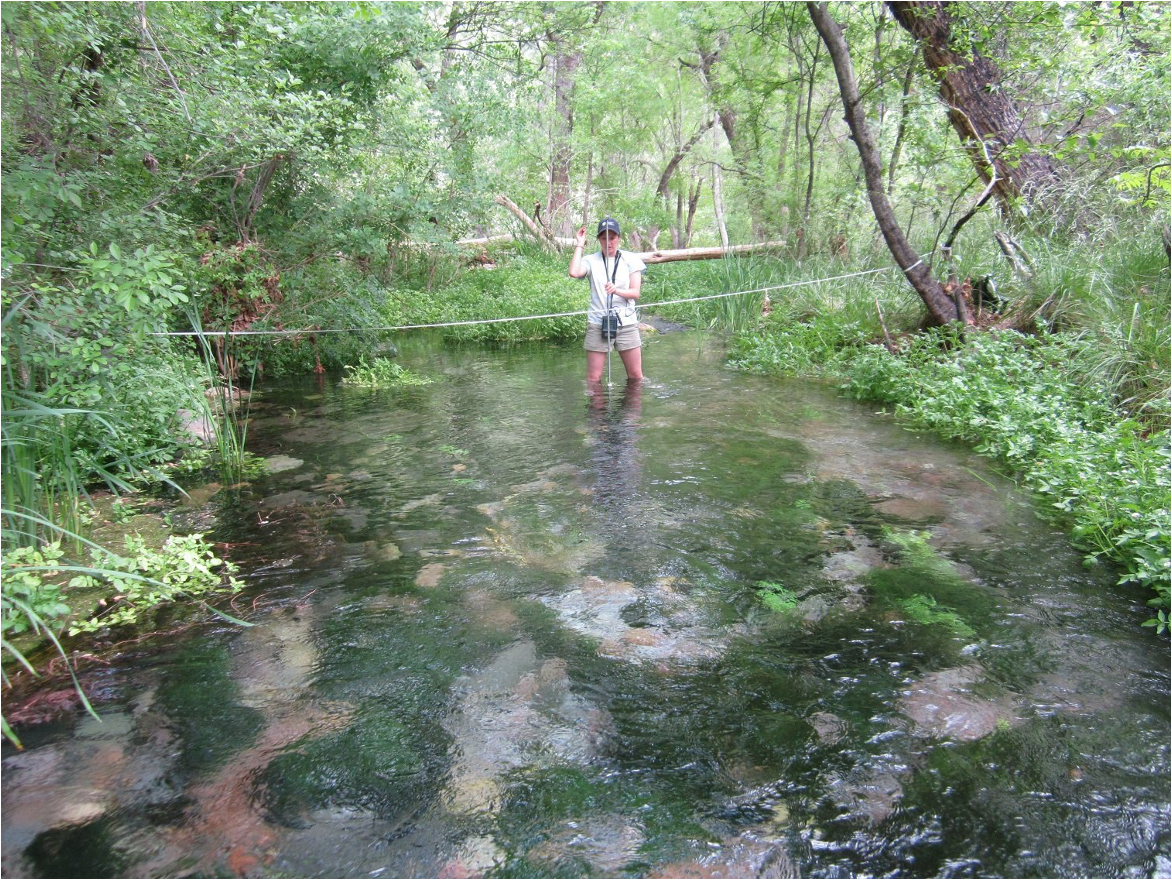
The Task Force is where the Alliance begins — not where it ends.
Initiative 01. The IUCN Global Springs Task Force establishes a global scientific and strategic foundation.
What follows. The Alliance can support additional initiatives focused on restoration, regional collaboration, community stewardship, capacity building, monitoring, and conservation finance.